Buzzers for Electronics Projects in Australia
Shop buzzers for electronics projects from AuscomTech. We stock practical active and passive buzzer modules for Arduino, ESP32, Raspberry Pi compatible boards, alarms, timers, alerts, control projects and general electronics applications.
Whether you are adding a warning sound, button feedback, timer alarm, simple melody, project alert or status tone, buzzers are an easy way to add sound output to a microcontroller or electronics project.
Shop Buzzers by Type
Our buzzer range may include products such as:
- Active Buzzers: Buzzers with built-in oscillation circuitry that produce a tone when powered.
- Passive Buzzers: Buzzers that require a signal or PWM output to generate tones, beeps or simple melodies.
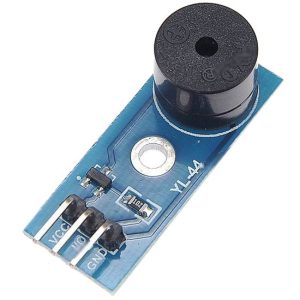
- Buzzer Modules: PCB-mounted buzzer modules designed for easy connection to Arduino, ESP32 and other microcontroller boards.
- Piezo Buzzers: Compact sound components used for beeps, alarms, alerts and electronics projects.
- Alarm Buzzers: Sound output components used in timers, warning circuits, access control projects and simple alert systems.
Buzzers for Arduino, ESP32 & Electronics Projects
Buzzers are commonly used in electronics projects where a simple sound is needed. They are useful for timers, alarms, keypad feedback, warning indicators, sensor alerts, robotics, access control, test circuits and educational projects.
Active buzzers are usually easier to use because they produce a sound when voltage is applied. Passive buzzers allow more control over tone and frequency, but they need a suitable signal from a microcontroller. Always check the voltage, current draw, polarity, sound type, pinout and whether the buzzer is active or passive before ordering.
Active vs Passive Buzzers
An active buzzer contains internal circuitry and normally makes a fixed tone when powered. A passive buzzer acts more like a small sound element and needs a changing signal to produce sound. Passive buzzers are often used when a project needs different tones or simple melodies.
For speakers and fuller audio output, browse our speakers category. For amplifier boards and audio output circuits, browse our audio amplifier modules category.
Why Buy Buzzers from AuscomTech?
- Australian stock: Products are shipped from Australia using Australia Post.
- Practical product range: We stock useful buzzers and sound components for electronics projects, repairs and prototyping.
- Secure online checkout: Order online using supported secure payment options.
- Helpful support: Need help choosing a buzzer? Contact AuscomTech and we’ll help where we can.
Browse Buzzers Online
Explore our range of buzzers in Australia, including active buzzers, passive buzzers, piezo buzzers, buzzer modules and alarm sound components depending on current availability. You can also browse related categories such as audio amplifier modules, speakers and microcontrollers and development boards.
Frequently Asked Questions
Do you sell buzzers for Arduino and ESP32 projects?
Yes. AuscomTech stocks active buzzers, passive buzzers and buzzer modules suitable for Arduino compatible boards, ESP32, Raspberry Pi compatible boards and general electronics projects depending on current availability.
What is the difference between an active and passive buzzer?
An active buzzer usually makes a tone when powered. A passive buzzer needs a signal, often PWM, to generate sound and can be used for different tones or simple melodies.
Can I connect a buzzer directly to a microcontroller pin?
Some low-current buzzers may be suitable, but many projects should use a transistor, driver circuit or module depending on current draw and voltage. Always check the buzzer specifications before connecting it.
Are buzzers the same as speakers?
No. Buzzers are mainly used for beeps, alarms and simple tones. Speakers are better for voice, music, sound effects and fuller audio output when used with a suitable amplifier.
Can you help me choose the right buzzer?
Yes. If you are unsure which buzzer suits your project, contact AuscomTech with your controller board, supply voltage, sound requirement and whether you need a simple beep or controllable tones.

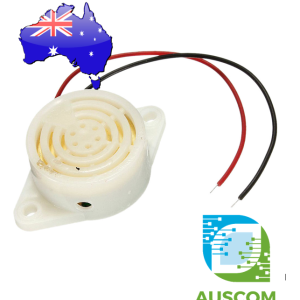
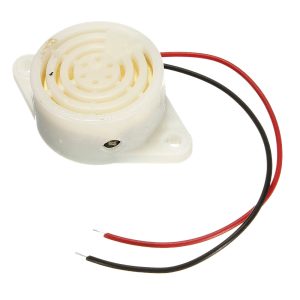 Buzzers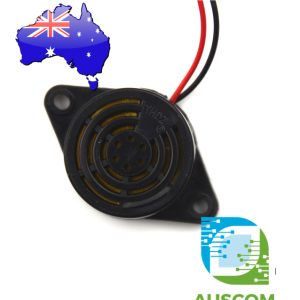
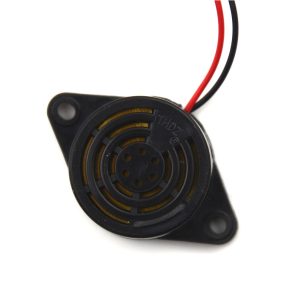 Buzzers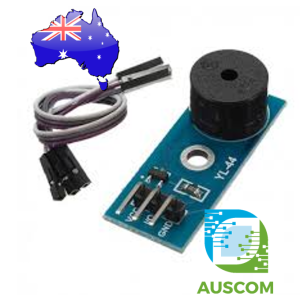
 Buzzers