OLED Display Modules in Australia
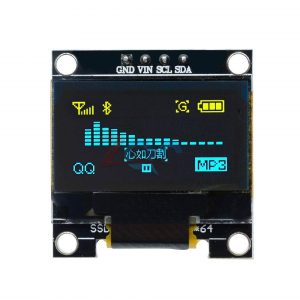
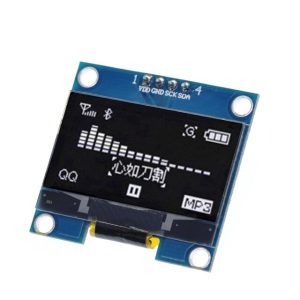
Shop OLED display modules from AuscomTech. We stock compact OLED screens for Arduino, ESP32, ESP8266, Raspberry Pi compatible boards and general electronics projects, including SSD1306, SH1106, I2C and SPI OLED display modules depending on current availability.
Whether you are building a sensor display, small menu screen, battery-powered device, data logger, IoT project or compact control interface, OLED display modules provide clear, high-contrast output in a small package.
Shop OLED Display Modules by Type
Our OLED display range may include modules such as:
- SSD1306 OLED Displays: Popular compact OLED modules commonly used with Arduino, ESP32 and other microcontroller projects.
- SH1106 OLED Displays: OLED display modules used in compact graphics, menu and status display projects.
- I2C OLED Display Modules: OLED screens that connect using the I2C bus to reduce wiring and save microcontroller pins.
- SPI OLED Display Modules: OLED modules using SPI communication for suitable graphics and display projects.
- Small OLED Screens: Compact display modules for portable electronics, sensors, wearables and embedded projects.
OLED Displays for Arduino, ESP32 & Electronics Projects
OLED display modules are commonly used when a project needs a small, sharp and easy-to-read screen. They are popular for sensor readings, battery monitors, WiFi projects, menus, icons, status displays, compact instruments and embedded electronics builds.
Many OLED displays use common interfaces such as I2C or SPI and are supported by common microcontroller libraries. Always check the display size, resolution, driver chip, voltage, interface type, pinout, I2C address and library support before ordering.
SSD1306, SH1106, I2C & SPI OLED Displays
SSD1306-style OLED modules are widely used in Arduino and ESP32 projects due to their small size and broad library support. SH1106-style modules are also common but may require different software settings. I2C OLED modules are easy to wire, while SPI OLED modules can be useful where faster display updates are required.
For text-based character displays, browse our LCD display modules category. For colour screens, browse our TFT and IPS display modules category.
Why Buy OLED Display Modules from AuscomTech?
- Australian stock: Products are shipped from Australia using Australia Post.
- Practical product range: We stock useful OLED display modules for electronics projects, repairs and prototyping.
- Secure online checkout: Order online using supported secure payment options.
- Helpful support: Need help choosing an OLED display? Contact AuscomTech and we’ll help where we can.
Browse OLED Display Modules Online
Explore our range of OLED display modules in Australia, including SSD1306 OLED displays, SH1106 OLED displays, I2C OLED modules, SPI OLED modules and compact OLED screens depending on current availability. You can also browse related categories such as microcontrollers and development boards, sensors and measurement and power and battery modules.
Frequently Asked Questions
Do you sell OLED displays for Arduino and ESP32?
Yes. AuscomTech stocks OLED display modules suitable for Arduino compatible boards, ESP32, ESP8266, Raspberry Pi compatible boards and general electronics projects depending on current availability.
What is an SSD1306 OLED display?
An SSD1306 OLED display is a compact display module commonly used in microcontroller projects for showing text, icons, sensor values and small graphics.
What is the difference between I2C and SPI OLED displays?
I2C OLED displays usually use fewer wires and fewer microcontroller pins. SPI OLED displays may use more pins but can support faster display updates depending on the module and code.
What should I check before buying an OLED display?
Check the display size, resolution, driver chip, voltage, interface type, pinout, I2C address and whether suitable software libraries are available for your controller board.
Can you help me choose the right OLED display?
Yes. If you are unsure which OLED display suits your project, contact AuscomTech with your controller board, required display size, interface type and what you need to show on the screen.

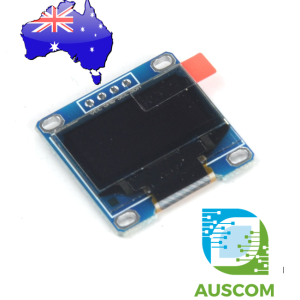
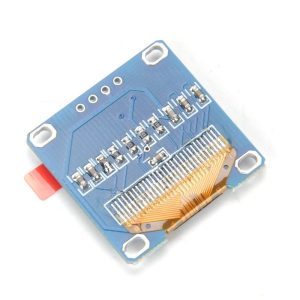 OLED Display Modules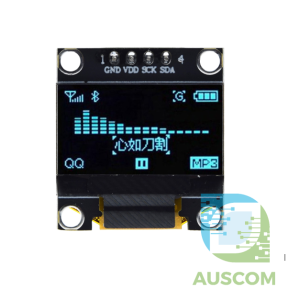
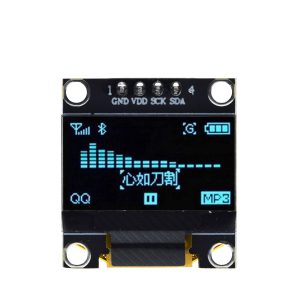 OLED Display Modules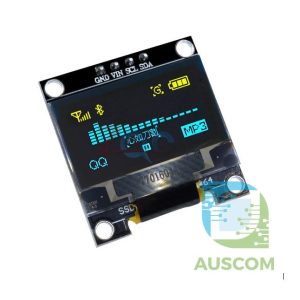
 OLED Display Modules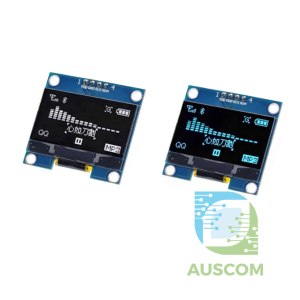
 Select options This product has multiple variants. The options may be chosen on the product pageQuick ViewOLED Display Modules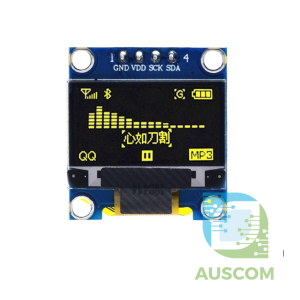
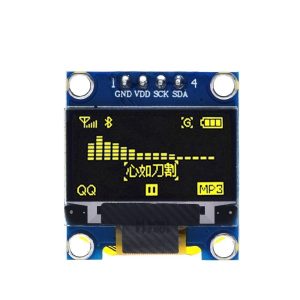 OLED Display Modules
 Select options This product has multiple variants. The options may be chosen on the product pageQuick ViewOLED Display Modules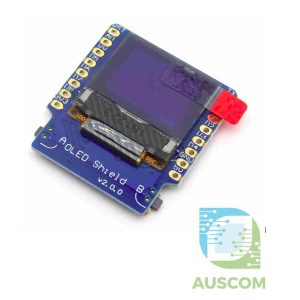
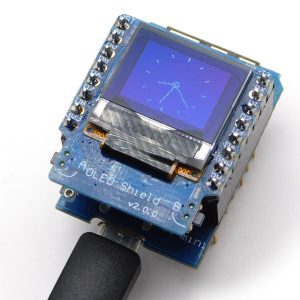 OLED Display Modules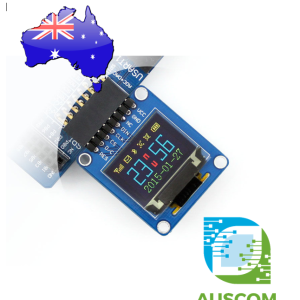
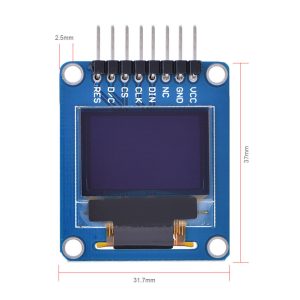 OLED Display Modules