Jumper Wires in Australia
Shop jumper wires from AuscomTech. We stock practical Dupont jumper leads and breadboard wires for Arduino, ESP32, ESP8266, Raspberry Pi compatible boards, sensors, display modules, relay boards, breadboards and general electronics projects.
Whether you are wiring a breadboard circuit, connecting sensor modules, testing a development board, prototyping an electronics project or repairing a small circuit, jumper wires make it easy to create temporary or semi-permanent low-voltage connections.
Shop Jumper Wires by Type
Our jumper wire range may include products such as:
- Male to Male Jumper Wires: Common breadboard leads used for connecting rows, modules and development board pins.
- Male to Female Jumper Wires: Useful for connecting development boards to modules, sensors and header pins.
- Female to Female Jumper Wires: Used to connect header pins, modules and development boards without using a breadboard.
- Dupont Jumper Leads: Standard jumper wires used in Arduino, ESP32, Raspberry Pi compatible and electronics prototyping projects.
- Breadboard Jumper Wires: Pre-cut or flexible wires used for solderless breadboard circuit testing and prototyping.
Jumper Wires for Arduino, ESP32 & Breadboard Projects
Jumper wires are one of the most commonly used parts in electronics prototyping. They are used to connect microcontroller boards, sensors, displays, relay modules, power modules, breadboards, prototype boards and test circuits without soldering.
Different jumper wire types suit different connection points. Male to male leads are useful for breadboards, male to female leads are useful for connecting modules to development boards, and female to female leads are useful for joining header pins between boards.
Dupont Leads, Breadboard Wires & Prototype Connections
Dupont-style jumper leads are widely used with Arduino compatible boards, ESP32, ESP8266, STM32, Raspberry Pi compatible boards and many electronics modules. They are best suited to low-voltage signal and light-duty power connections during testing and prototyping.
For pin headers and sockets, browse our pin headers and sockets category. For solderless circuit testing, browse our breadboards category.
Why Buy Jumper Wires from AuscomTech?
- Australian stock: Products are shipped from Australia using Australia Post.
- Practical product range: We stock useful wiring and prototyping parts for electronics projects, repairs and testing.
- Secure online checkout: Order online using supported secure payment options.
- Helpful support: Need help choosing jumper wires? Contact AuscomTech and we’ll help where we can.
Browse Jumper Wires Online
Explore our range of jumper wires in Australia, including male to male jumper wires, male to female jumper wires, female to female jumper wires, Dupont leads and breadboard jumper wires depending on current availability. You can also browse related categories such as breadboards, prototype PCB boards and microcontrollers and development boards.
Frequently Asked Questions
What are jumper wires used for?
Jumper wires are used to connect electronic components, modules and development boards during prototyping, testing and circuit building.
What is the difference between male to male, male to female and female to female jumper wires?
Male to male jumper wires are commonly used with breadboards. Male to female wires connect header pins to sockets or modules. Female to female wires connect two sets of male header pins together.
Can jumper wires be used with Arduino and ESP32?
Yes. Jumper wires are commonly used with Arduino compatible boards, ESP32, ESP8266, Raspberry Pi compatible boards, sensors, displays, relay modules and other electronics parts.
Are jumper wires suitable for high current?
Most jumper wires are intended for low-voltage signal and light-duty connections. For higher-current circuits, use suitably rated wire, terminals and connectors.
Can you help me choose the right jumper wires?
Yes. If you are unsure which jumper wires suit your project, contact AuscomTech with your board type, module connections, breadboard setup and required connector style.

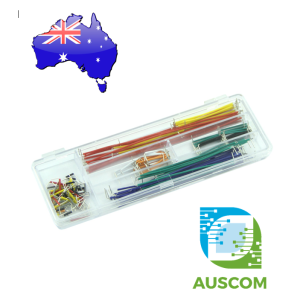
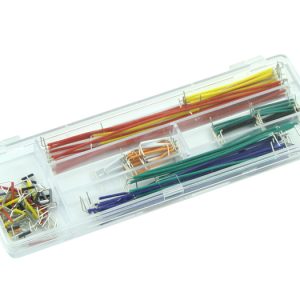 Jumper Wires
 Jumper Wires