
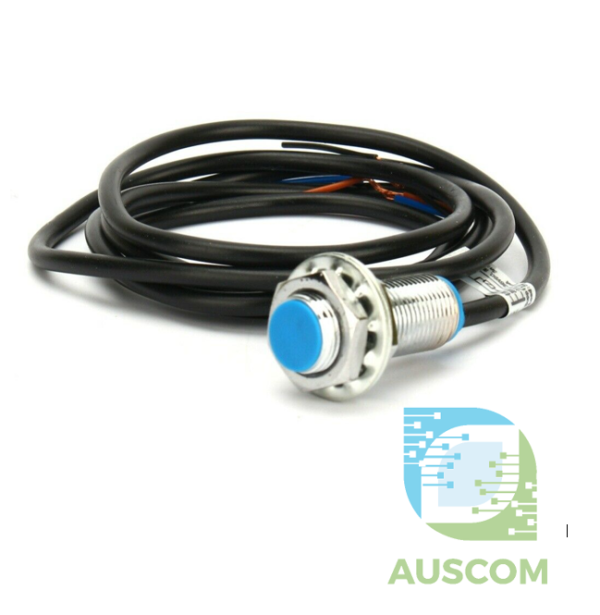
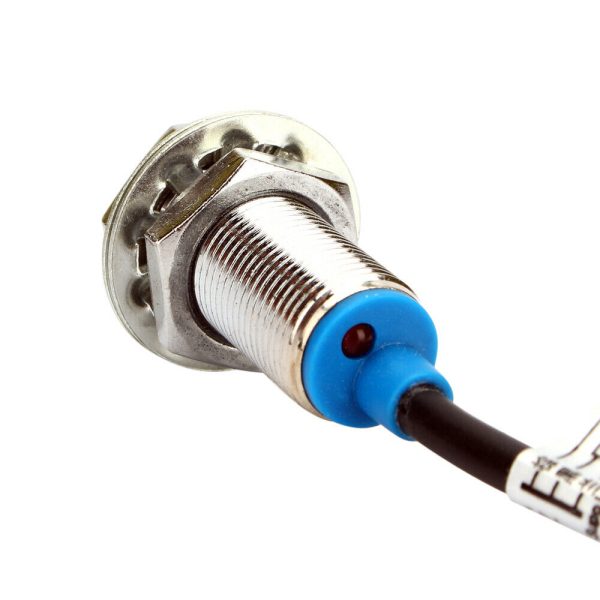
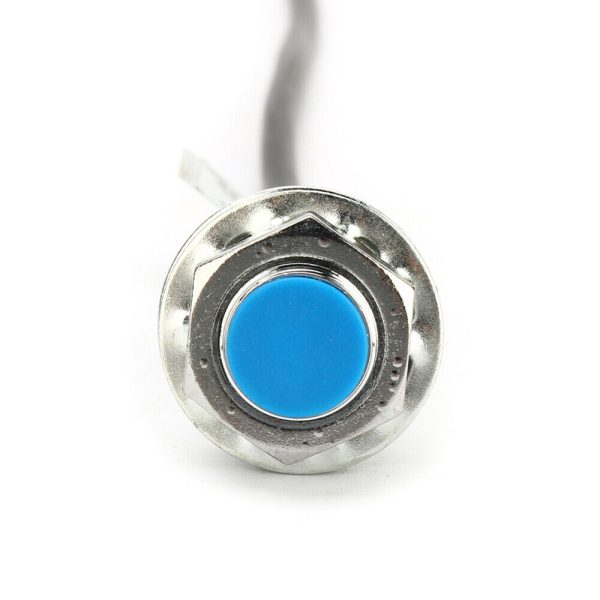
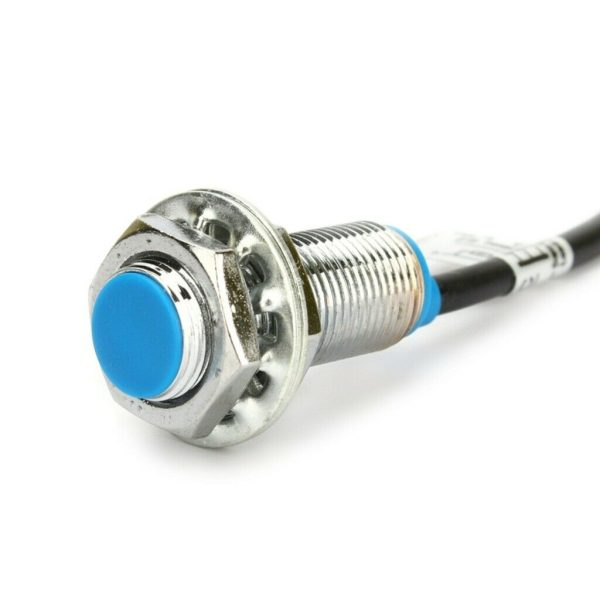
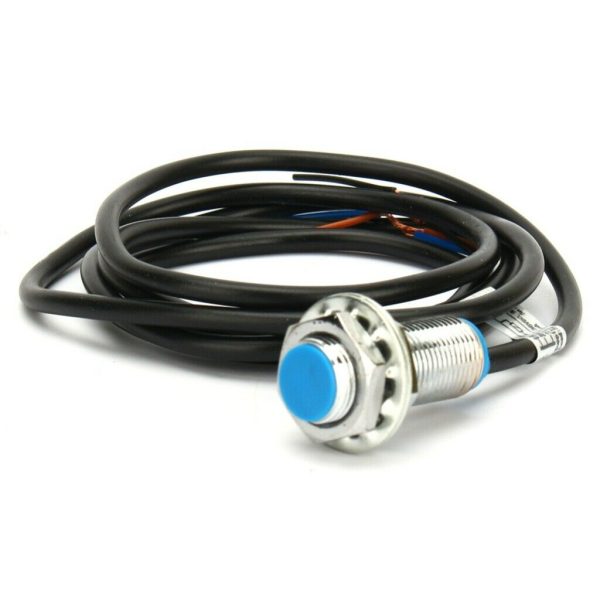
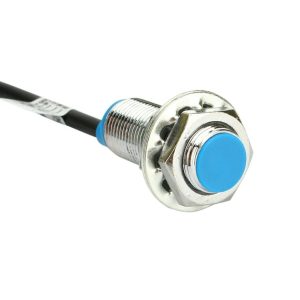

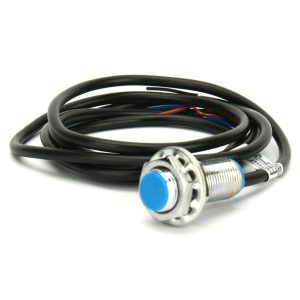
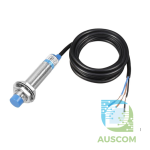
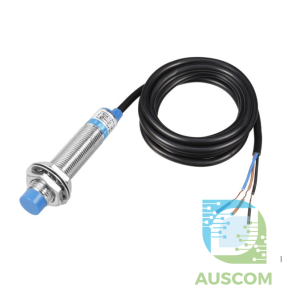
NJK-5002C Hall Effect Sensor Proximity Switch NPN 3-Wires Normally Open 6V-36V + Magne Line Magnet
$11.95 Inc. GST
You save (%)
- Description
- Code Examples
- Additional information
- Reviews (0)
Description
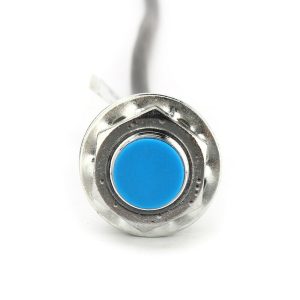
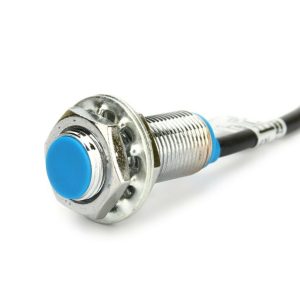
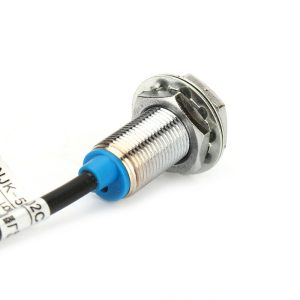
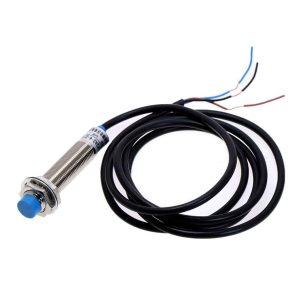
NJK-5002C Hall Effect Sensor Proximity Switch – High-Performance Metal Detection for Industrial and DIY Applications
Upgrade your detection systems with the NJK-5002C Hall Effect Sensor Proximity Switch—an advanced, high-accuracy sensor designed for seamless integration in both industrial and DIY projects. Whether you’re working on automation systems, security solutions, or other metal object detection tasks, this state-of-the-art sensor offers unparalleled reliability, precision, and ease of use.
Key Features of the NJK-5002C Hall Effect Sensor:
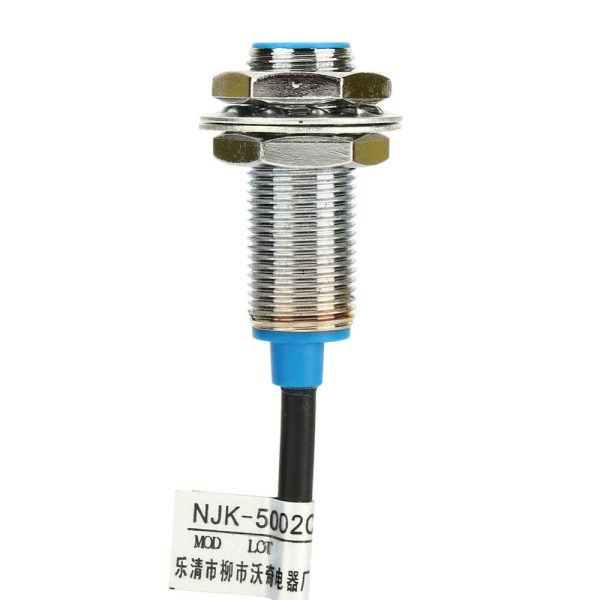
- Model Number: NJK-5002C
- Wide Voltage Range: 5V to 30V DC for flexible power options
- Detection Distance: Up to 10mm (Effective range: 0-10mm)
- Maximum Load Current: 150mA for efficient performance
- Output Configuration: NPN Three-Wire Setup for easy wiring
- Output State: Normally Open (NO) for reliable activation
- Optimal for Metal Detection: Perfect for detecting ferrous and non-ferrous metal objects
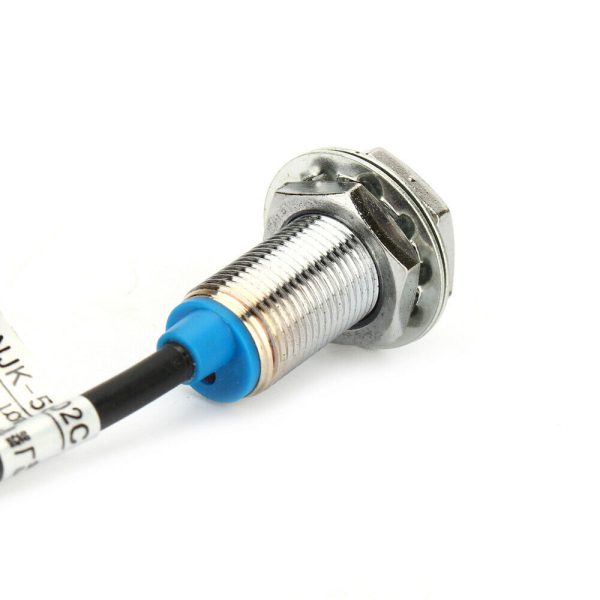
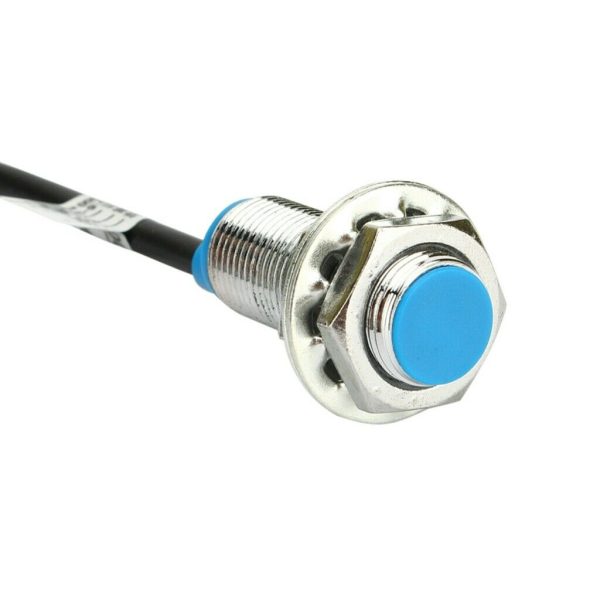
- Premium Build Quality: Copper for metal parts, durable PBT plastic for housing
- Extended Reach: 1.2-meter external lead allows flexible placement in various setups
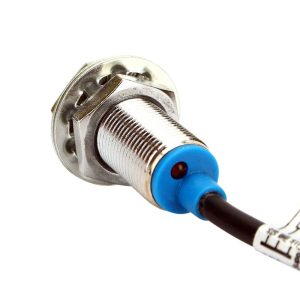
- Visual Indicator: Red LED light for clear output indication
- Compact Design: Diameter – 12mm, Thread Length – 32mm, Overall Length – 37mm for versatile installation
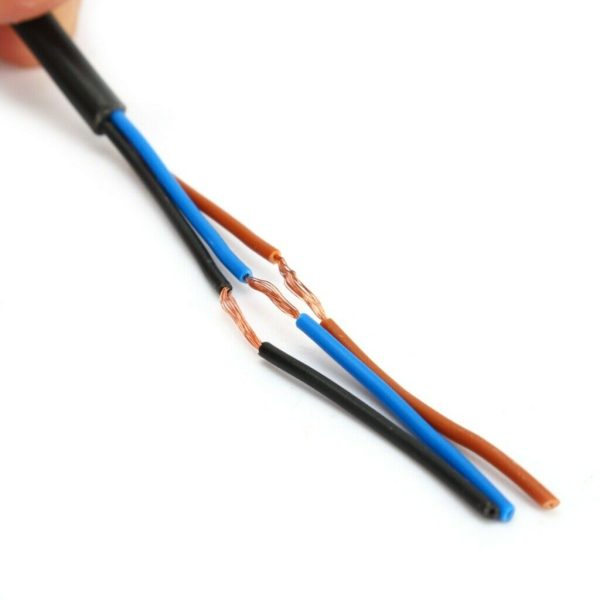
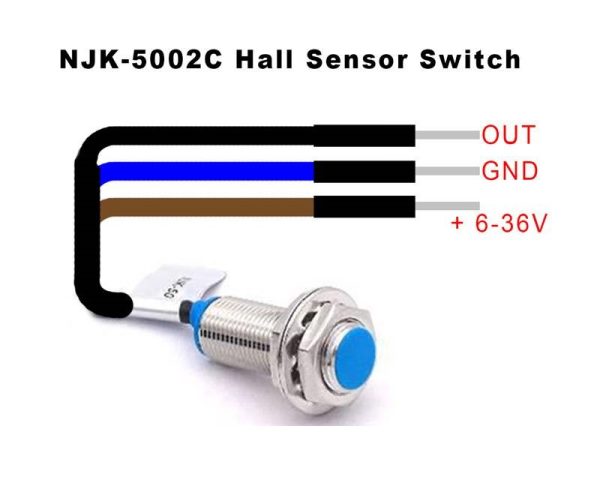
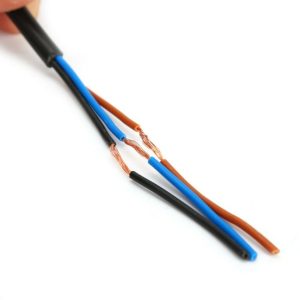
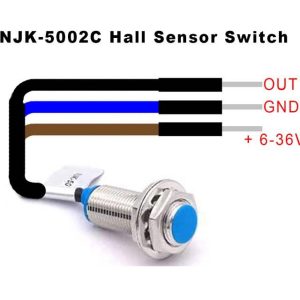
- User-Friendly Wiring: Simple wiring with VCC (Brown), GND (Blue), Signal (Black) for easy connection
Why Choose the NJK-5002C Hall Effect Sensor?
The NJK-5002C is engineered for maximum versatility. With a 10mm detection range and a reliable NPN output, this proximity sensor ensures precise metal detection in both industrial automation systems and personal DIY projects. Its high sensitivity, easy wiring, and robust construction make it an ideal choice for users seeking both performance and durability.
Whether you’re building security systems, designing automated machines, or working on electronics projects, the NJK-5002C Hall Effect Sensor Proximity Switch is a reliable solution for accurate and efficient detection of metal objects.
Easy Integration into Your Projects
This sensor is designed with ease of use in mind. Connecting the three-wire system (brown for VCC, blue for GND, black for signal) simplifies installation and allows you to quickly integrate it into your setup without the need for complicated configurations.
What’s in the Package:
- 1x NJK-5002C Hall Effect Sensor Proximity Switch (NPN)
- 1x Magne Line Magnet for Enhanced Metal Detection
Upgrade Your Detection Systems Today
With its exceptional performance, user-friendly setup, and versatile application, the NJK-5002C Hall Effect Sensor Proximity Switch is the perfect solution for anyone needing reliable, accurate metal detection. Elevate your project with this high-quality proximity switch that offers excellent performance and seamless integration.
📌 Code Examples & Usage – NJK-5002C Hall Effect Proximity Sensor (NPN, NO)
📋 Overview
The NJK-5002C is a Hall-effect magnetic proximity sensor. It detects the presence of a magnetic field (usually from a permanent magnet) and switches its output accordingly.
Key features:
-
Detection type: Magnetic (Hall Effect)
-
Output type: NPN, Normally Open (NO)
-
Supply voltage: 6–36 V DC
-
Output: Open-collector (pulls to GND when active)
-
3-wire industrial sensor format
Common applications:
-
Speed / RPM sensing
-
Position detection
-
Door / lid sensing
-
Motor shaft detection (with magnet)
-
Automation & robotics
⚠ IMPORTANT – Voltage & Interface Warning
🚨 This sensor operates from 6–36 V and must NOT be connected directly to a microcontroller input without protection.
The output is NPN open-collector, meaning:
-
When magnet detected → output pulls to GND
-
When no magnet → output is floating (open)
To safely interface with Arduino / ESP32 / Raspberry Pi, you must use:
✔ A pull-up resistor to 5 V or 3.3 V
✔ OR an optocoupler module (recommended for noisy environments)
🔌 Wire Colours & Functions
| Wire Colour | Function |
|---|---|
| Brown | +V (6–36 V DC) |
| Blue | GND |
| Black | Signal output (NPN open-collector) |
🔌 Recommended Wiring – Arduino (Safe & Simple)
Option 1: Pull-Up Resistor (Most Common)
-
Brown → +12 V (or any 6–36 V supply)
-
Blue → GND (shared with Arduino GND)
-
Black → Arduino digital input (e.g. D2)
-
10 kΩ resistor from Arduino input to 5 V
This ensures the Arduino only ever sees 0 V or 5 V.
🧪 1️⃣ Arduino Example – Detect Magnet
Logic Explanation
-
LOW → magnet detected (sensor pulls output to GND)
-
HIGH → no magnet (pulled up by resistor)
This inverted logic is normal for NPN sensors.
🧪 2️⃣ Arduino Example – Using Internal Pull-Up (Use with Care)
This works only if the sensor output is fully isolated from the supply voltage.
👉 External pull-up is still recommended for reliability.
⚡ ESP32 Example (3.3 V Logic)
ESP32 GPIOs are 3.3 V only, so pull the signal up to 3.3 V, not 5 V.
🔄 3️⃣ Example – Speed / RPM Counter
Perfect for motors or rotating shafts with a magnet attached.
➡ Add one magnet = pulses per second
➡ Multiple magnets = higher resolution
🧠 Important Notes & Tips
✔ Requires a magnet (will not detect metal on its own)
✔ Magnet polarity and distance affect detection
✔ Typical sensing distance: ~10 mm (varies by magnet)
✔ Sensor LED lights when magnet is detected
✔ Always share GND between sensor supply and MCU
✔ For long cables or noisy environments, use optocoupler isolation
Additional information
| Weight | 60 g |
|---|---|
| Dimensions | 260 × 160 × 20 mm |
Only logged in customers who have purchased this product may leave a review.





Reviews
There are no reviews yet.