
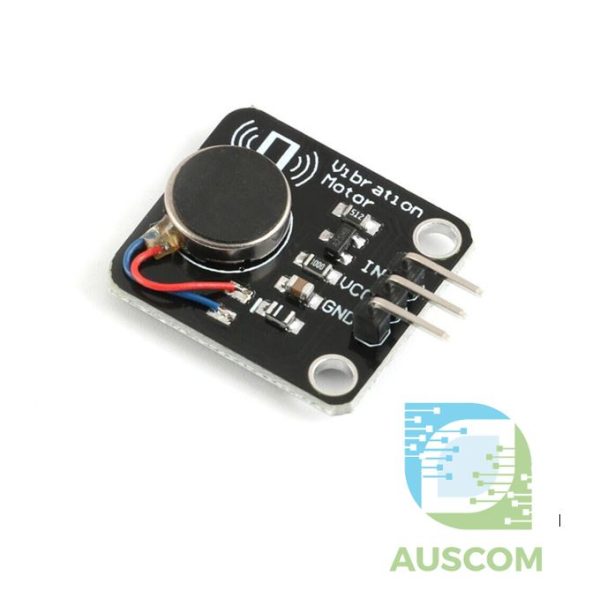
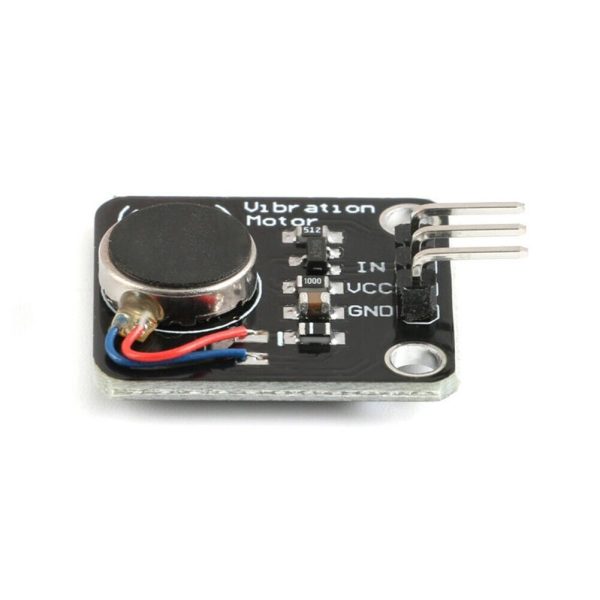
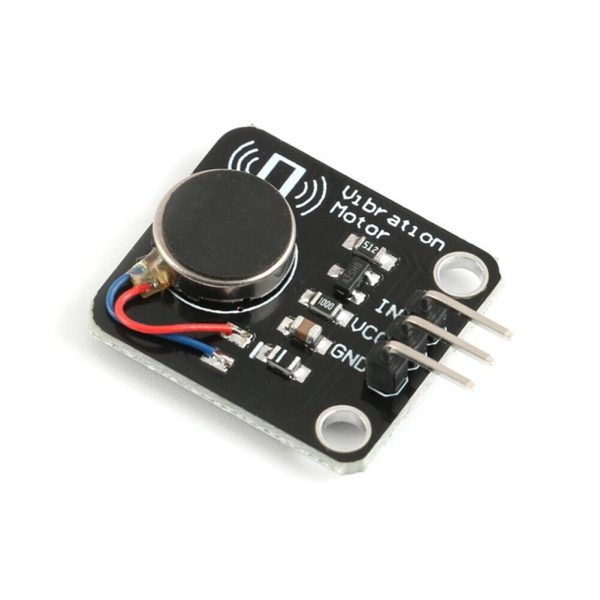
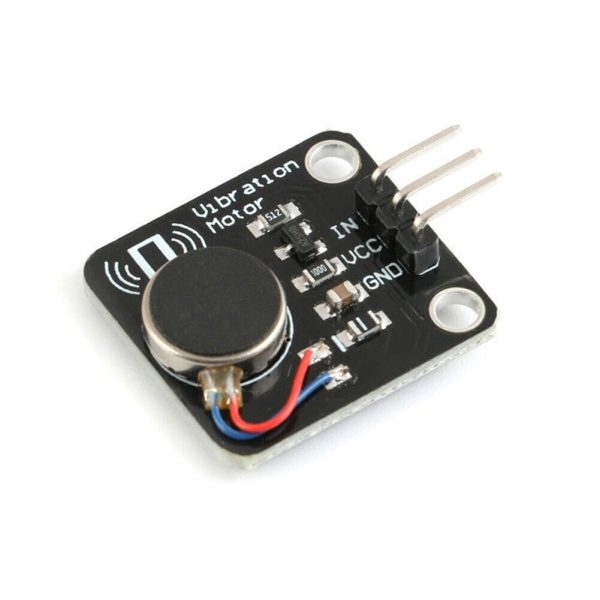
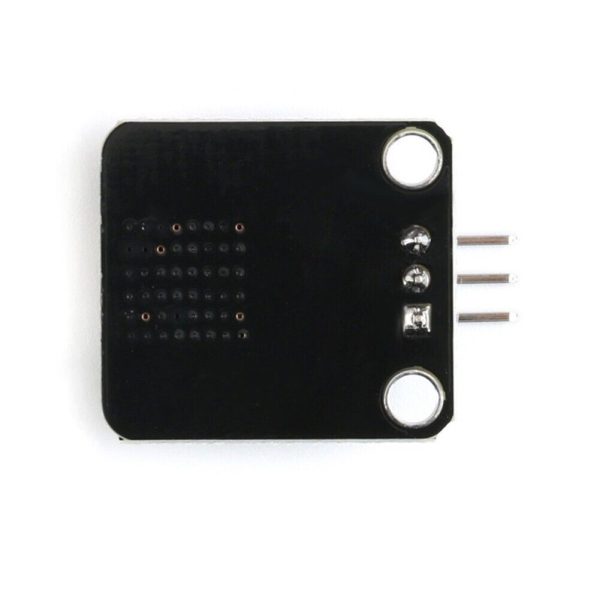
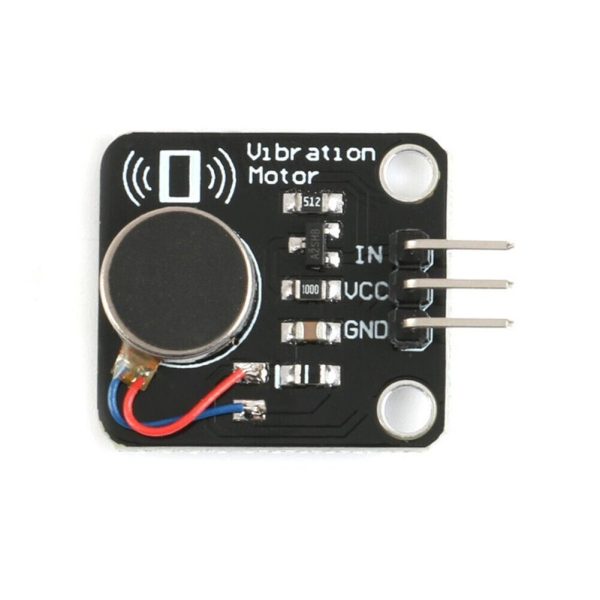
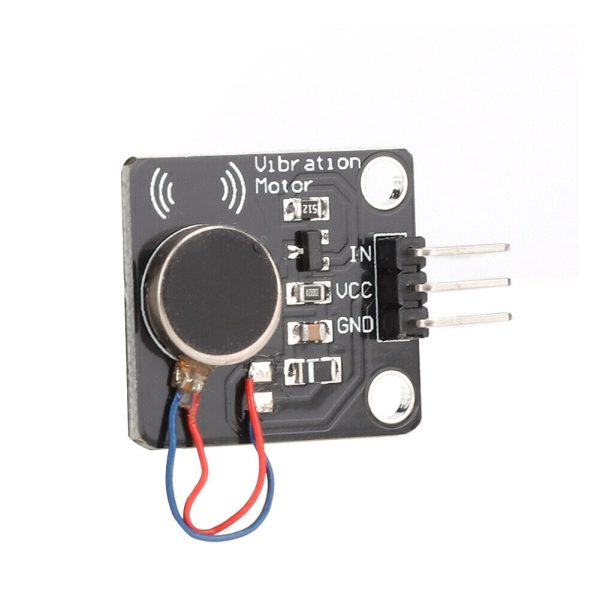
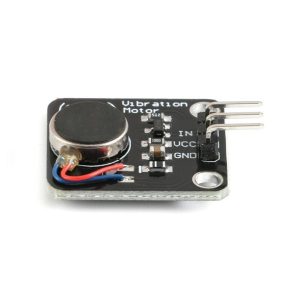
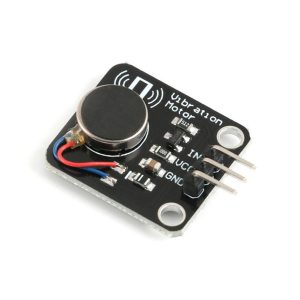
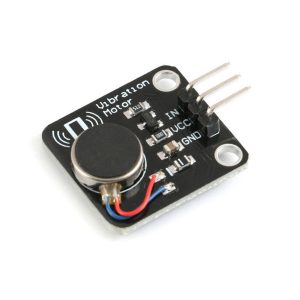
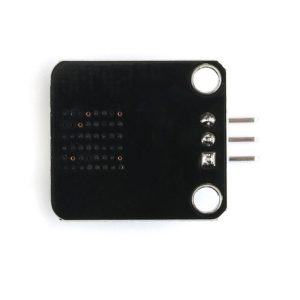
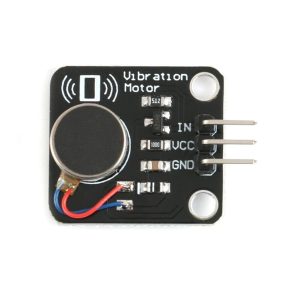
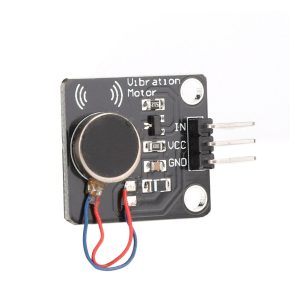
Arduino 5V Mini Vibration Motor Module PWM Control High Low Driver


$4.95 Inc. GST
You save
- Description
- Code Examples
- Additional information
- Reviews (0)
Description
📳 Arduino 5V Mini Vibration Motor Module PWM Control High-Low Driver | AuscomTech
The Arduino 5V Mini Vibration Motor Module is a compact haptic feedback solution designed for silent, controlled vibration output in embedded and interactive electronics projects.
Using a high-quality flat vibration motor and an onboard MOSFET driver circuit, this module allows direct digital or PWM control from microcontrollers. It is ideal for alerts, notifications, wearables, and feedback systems where visual or audible indicators are not suitable.
⭐ Key Features
🔇 Silent Haptic Feedback
Designed for low-noise operation, ideal for discreet vibration alerts and tactile feedback.
🎛️ PWM Intensity Control
Onboard MOSFET amplification allows vibration strength to be adjusted using PWM signals.
⚡ 5V Logic Compatible
Works directly with standard 5V microcontroller outputs without additional driver circuitry.
🧠 High / Low Level Triggering
High-level input activates vibration; low-level input stops the motor.
📦 Compact & Lightweight Module
Small footprint allows easy integration into wearables, handheld devices, and compact enclosures.
🔌 Microcontroller Friendly
Simple digital signal interface for fast setup and reliable operation.
📊 Technical Specifications
Rated Voltage: 5.0V DC
Working Voltage: 3.0–5.3V DC
Rated Speed: Approx. 9000 RPM
Rated Current: ~60mA
Starting Current: ~90mA
Starting Voltage: 3.7V DC
Motor Type: Flat vibration motor
Motor Diameter: 10 mm
Driver Type: MOSFET (high-level trigger, low-level cutoff)
Control Interface: Digital / PWM signal
Module Size: 21 × 30 mm
Mounting Hole Diameter: 3 mm
Mounting Hole Spacing: 15 mm
Insulation Resistance: 10 mΩ
⚠️ Important Notes
• Designed for low-power vibration feedback applications
• PWM signal controls vibration intensity
• Not intended for continuous high-load operation
• Ensure adequate power supply current when activating the motor
🧩 Compatible With
• Arduino Uno / Mega / Nano
• ESP32 / ESP8266
• STM32 microcontrollers
• Wearable electronics platforms
• Robotics and interactive devices
⚙️ Typical Applications
• Haptic feedback systems
• Wearable electronics
• Silent alert and notification devices
• Interactive controllers and interfaces
• DIY electronics and prototyping
📦 Package Includes
• 1 × 5V Mini Vibration Motor Module
📌 Code Examples – Arduino 5V Mini Vibration Motor Module
High/Low Level & PWM Control
📋 Overview
This mini vibration motor module lets you control a small vibration motor with:
✔ Simple on/off (digital) control
✔ PWM (analog) control for variable vibration intensity
✔ Compatible with 5V and 3.3V logic microcontrollers
Works great with:
-
Arduino (Nano/Uno/Pro Micro)
-
ESP32 / ESP8266
-
Raspberry Pi (with level shifting)
-
Microcontroller projects with tactile feedback
🔌 Wiring – Basic Connections
| Module Pin | Connects To |
|---|---|
| VCC | +5 V (or 3.3 V logic, depending on board) |
| GND | System ground |
| SIG (I/O) | Microcontroller digital pin (PWM capable for intensity control) |
⚠ The motor draws more current than a microcontroller pin can supply directly — this module typically includes a transistor to drive the motor safely. Always connect VCC/GND properly.
🧪 Arduino Example – Simple On/Off Vibration
This example toggles the motor on for 500 ms, off for 500 ms in a loop.
📈 Arduino Example – PWM Intensity Control
This example gradually ramps the vibration intensity up and down using PWM.
Use this pattern to convey effects like:
-
Buzzy feedback
-
Soft alerts
-
Patterned notifications
⚡ ESP32 / ESP8266 Example – PWM Control
On ESP32 or ESP8266, make sure you attach PWM to a PWM-capable pin and set frequency appropriately:
This lets you control vibration strength smoothly.
📊 Raspberry Pi Example (Python & RPi.GPIO)
If using a Raspberry Pi, use a logic-level MOSFET or a driver (GPIO cannot drive the motor directly). Here’s a simple Python PWM example:
🧠 Tips & Notes
✔ For on/off alerts, simple digitalWrite() is fine.
✔ For variable intensity, use PWM (analogWrite() or hardware PWM).
✔ The motor draws more current than a microcontroller pin can supply — drive via module transistor.
✔ If the motor causes noise or glitches, add a diode across its terminals (if not already present) and a small capacitor for smoothing.
Additional information
| Weight | 40 g |
|---|---|
| Dimensions | 260 × 160 × 20 mm |
Only logged in customers who have purchased this product may leave a review.





Reviews
There are no reviews yet.